Posted on 8/28/2026
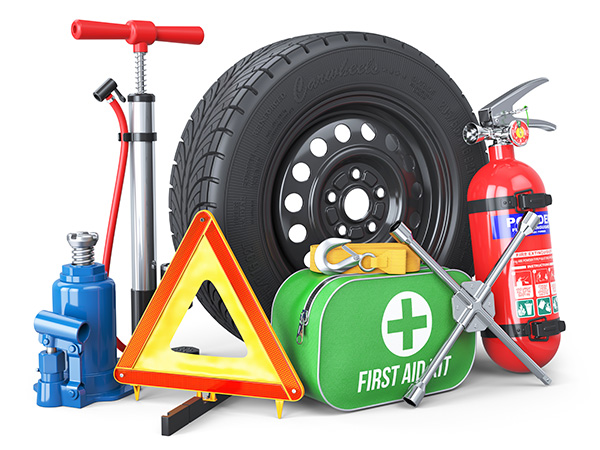
Most drivers remember obvious items such as a phone charger, sunglasses, and registration documents. The equipment that becomes valuable during a breakdown, flat tire, dead battery, or sudden weather change is easier to overlook because it may sit unused for months. A well-prepared vehicle does not need to carry an entire workshop. A small group of practical supplies can make an unexpected stop safer and help you communicate clearly with roadside assistance. Check these items periodically so batteries, medications, food, and other time-sensitive supplies remain usable. 1. A Reliable Flashlight With Spare Batteries A phone flashlight is helpful, but it is not an ideal substitute for a dedicated light. Using the phone for illumination drains the same battery needed for navigation, emergency calls, and roadside assistance updates. Choose a compact flashlight that can stand upright or attach magnetically to the vehicle. A headlamp is another strong option because it ke ... read more
Posted on 7/31/2026

A brake pedal should feel firm and predictable when you slow down. It should not sink too far, feel spongy under your foot, or make you wonder whether the vehicle is going to stop the same way it did yesterday. When the pedal feels soft, the brake system is telling you something has changed. A soft brake pedal can result from several causes, but most involve pressure. Your brakes depend on hydraulic pressure to transfer force from the pedal to the wheels. If air, fluid loss, worn parts, or a failing component interrupts that pressure, the pedal can feel lower or weaker than normal. Low Brake Fluid Can Change Pedal Feel Brake fluid is what carries pressure through the brake system. When you press the pedal, fluid moves through the lines and hoses to apply the brakes at the wheels. If the fluid level is low, the system may not build pressure correctly. Low brake fluid usually has a reason. Worn brake pads can gradually lower the fluid level because the caliper piston ... read more
Posted on 6/26/2026

A check engine light scan can feel like the answer should be right there on the screen. The tool reads a trouble code, the code mentions a sensor or system, and it is tempting to think the repair is already clear. That is where many drivers get led astray. A trouble code is useful, but it is not the same thing as a confirmed repair. It tells the technician where the vehicle saw a problem. The next step is figuring out why that problem occurred, whether the part named in the code is actually defective, and what else needs to be tested before money is spent on repairs. The Code Points To A System A trouble code gives direction. It might point toward an oxygen sensor, EVAP system, misfire, catalytic converter, fuel trim, airflow sensor, or coolant temperature reading. That information matters because it narrows the search and helps the technician decide where to begin. The problem is that the code does not always name the failed part. An oxygen sensor code can be caus ... read more
Posted on 5/29/2026
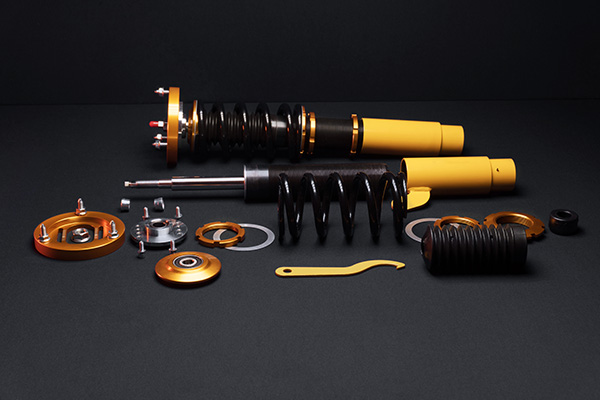
Suspension problems can change the way a vehicle feels long before a part fully fails. The ride may feel rougher, the car may lean more in turns, or bumps that used to feel minor now seem harder than they should. Many drivers keep going because the vehicle still moves, steers, and stops. Those changes deserve attention. Suspension parts help keep the tires planted, the body controlled, and the vehicle predictable during braking, turning, and everyday driving. 1. Worn Shocks or Struts Shocks and struts control how the vehicle reacts after hitting bumps, dips, and uneven pavement. When they wear out, the car can bounce longer than it should or feel loose over rough roads. Drivers sometimes describe the ride as floaty, harsh, or less controlled than before. Worn shocks or struts also affect safety. Tires need steady contact with the road to grip properly, and weak suspension control can reduce that contact during braking or cornering. If the front end dives when braki ... read more
Posted on 4/30/2026

A dead battery is frustrating enough on its own. The last thing you want is to get the car started and then wonder whether the jump caused a second problem somewhere in the electrical system. That concern is not unreasonable. Modern vehicles have much more electronics than they used to, and careless jump-starting can create trouble if the process is rushed or done in the wrong order. The good news is that a jump start can be done safely if it is handled properly. Why Jump Starting Needs More Care Than It Used To Older vehicles gave drivers a little more room for sloppy habits. Many newer cars do not. They rely on sensitive modules, computers, charging controls, and electrical systems that do not respond well to voltage spikes or backward cable placement. A simple mistake with jumper cables can turn one no-start problem into blown fuses, damaged modules, or charging-system issues. That ... read more
Posted on 3/27/2026
%20copy.jpg)
An idle shake can be irritating because it feels like the car is struggling, even when it drives fine once you pull away. The tough part is that the same shake can come from a simple airflow issue or from something more mechanical. What helps is treating the idle as a clue and narrowing the possibilities with a few quick observations. Start by paying attention to what changes in the shake and what does not. Why Idle Shakes Feel Different Than Driving Vibrations At idle, the engine is running at low RPM with very little momentum, so small imbalances stand out more. Anything that makes one cylinder work harder, or makes the engine sit slightly off its usual position, is easier to feel through the steering wheel and seat. That is why the shake can be noticeable at a stoplight but fade once the RPM rises. Driving vibrations often come from rotating parts like tires or wheels, but an idle shake is usually engine-related. It can still travel through the chassis and feel ... read more
Posted on 2/27/2026

Most people do not think about their A/C until it starts acting weird. One day it is cold and comfortable, and the next day it is struggling in traffic or taking forever to cool the cabin down. That is when drivers start wondering if the A/C has been serviced earlier? A/C systems do not have one perfect schedule for every vehicle, but there are clear patterns that tell you when it is time. How Often Your Car's A/C Should Be Serviced If your A/C is cooling quickly, staying consistent, and you are not noticing odd smells or noises, you do not need a yearly recharge. In many cases, a simple performance check every year or two is enough. Think of it like a checkup that confirms the system is still healthy. That said, A/C service becomes more important as the vehicle ages. Rubber seals harden, connections loosen slightly, and small leaks become more likely. That is why an occasional inspection is a smart part of regular maintenance, even if you are not uncomfortable ... read more
Posted on 1/30/2026

That musty A/C smell usually shows up at the worst moment. You start the car, the air kicks on, and for the first few seconds, it smells like a damp gym bag. Then it fades, and you wonder if it’s even worth dealing with. It is, mostly because the smell is often a sign that moisture is hanging around in the HVAC box, and moisture tends to bring friends like mildew and bacteria. The good news is that this issue is usually fixable without turning the car upside down. The key is understanding why it happens and what actually works, not just masking it with a stronger air freshener. Why The Smell Shows Up After Summer During summer, your A/C is pulling humidity out of the air all the time. That moisture collects on the evaporator core, and it’s supposed to drain out through a small drain tube under the vehicle. If the evaporator stays damp for long periods, or if the drain doesn’t flow well, you get that stale, musty smell. Heat and humidity speed the ... read more
Posted on 12/19/2025
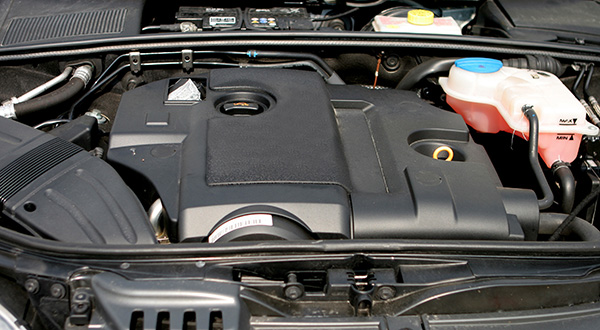
You park, the car settles into a steady idle, and then you notice it. A light, rhythmic ticking from under the hood that you do not remember hearing before. The engine still runs, there are no warning lights, and the temptation is to shrug it off. That small sound, though, can be your first chance to catch wear, low oil, or a failing part before it turns into real damage. Why Engines Tick at Idle in the First Place Engines have a lot of moving parts that all need clearance and lubrication. Lifters, rocker arms, injectors, and even the fuel system can create light ticking sounds as they operate. At idle, there is less exhaust and road noise to cover them up, so you may suddenly become aware of noises that were always there. Some ticking is completely normal, especially on modern engines that use direct fuel injection or certain valvetrain designs. The key is to tell the difference between a normal, steady sound and a new or changing tick that points to a problem. Th ... read more
Posted on 11/28/2025

Coolant is more than colored fluid. It carries heat, lubricates the water pump, and protects aluminum and sensors from corrosion. When a leak starts, air enters the system, and hot spots form around cylinders and turbo bearings. That can turn a harmless seep into overheating, warped components, and a repair bill that outruns the price of a simple hose or clamp. We see this most often after temperature swings, when old plastic and rubber shrink and harden. What a Coolant Leak Looks and Smells Like A sweet, syrupy odor after parking or at stoplights Colored residue around fittings or along the radiator end tanks A low reservoir level that drops again after topping up Steam or a faint white plume from the grille at idle Damp passenger carpet with a fogged windshield on cold mornings A belt that squeals briefly because coolant mist reached the pulley Where Leaks Tend to Hide Hose ends at clamp ferrules: Rubber hardens and forms hairline cracks tha ... read more