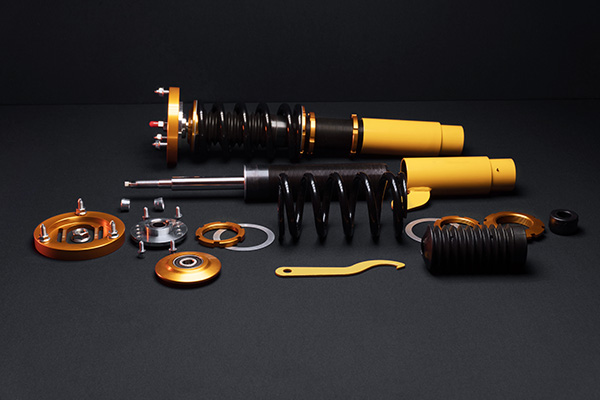
Suspension problems can change the way a vehicle feels long before a part fully fails. The ride may feel rougher, the car may lean more in turns, or bumps that used to feel minor now seem harder than they should. Many drivers keep going because the vehicle still moves, steers, and stops.
Those changes deserve attention. Suspension parts help keep the tires planted, the body controlled, and the vehicle predictable during braking, turning, and everyday driving.
1. Worn Shocks or Struts
Shocks and struts control how the vehicle reacts after hitting bumps, dips, and uneven pavement. When they wear out, the car can bounce longer than it should or feel loose over rough roads. Drivers sometimes describe the ride as floaty, harsh, or less controlled than before.
Worn shocks or struts also affect safety. Tires need steady contact with the road to grip properly, and weak suspension control can reduce that contact during braking or cornering. If the front end dives when braking or the rear end feels unsettled after bumps, shocks, or struts should be checked.
2. Damaged Control Arms or Bushings
Control arms help hold the wheels in the correct position while allowing the suspension to move. Bushings cushion that movement and reduce vibration. Over time, rubber bushings can crack, harden, or separate, especially with age, heat, and rough roads.
When control arm bushings wear out, the vehicle can feel loose or unstable. You may hear clunking over bumps, notice uneven tire wear, or feel the steering shift slightly during braking. Small movements in these parts can alter alignment angles and make the car harder to control.
3. Weak or Broken Springs
Springs support the vehicle's weight and help absorb road impacts. If a spring weakens or breaks, one corner of the car can sit lower than the others. The ride may feel uneven, and the vehicle may not handle bumps the same on either side.
A broken spring can also place added strain on shocks, struts, tires, and suspension mounts. Because the vehicle’s weight is no longer supported evenly, handling can become unpredictable. Any visible sagging or sudden change in ride height should be inspected before it affects more parts.
4. Worn Ball Joints
Ball joints allow the wheels and suspension to move while staying connected to the rest of the vehicle. They handle steering movement, road impact, and suspension travel simultaneously. As they wear, looseness develops inside the joint.
A worn ball joint can cause clunking noises, uneven tire wear, wandering steering, or a vibration that gets worse over time. In severe cases, ball joint failure can affect wheel control. That makes early attention important. A proper inspection can confirm whether the joint still has safe movement or needs to be replaced.
5. Bad Sway Bar Links or Bushings
The sway bar helps reduce body roll when the vehicle turns. Sway bar links and bushings connect the sway bar to the suspension and help evenly transfer movement from one side to the other. When those parts wear out, the vehicle can lean more in turns or feel less stable during quick steering changes.
Noise is a common clue. Rattling or clunking over small bumps can be caused by worn sway bar links or bushings. The car may still feel normal on straight roads, but the difference becomes clearer when cornering or driving over uneven pavement. Replacing worn parts helps restore better control and a quieter ride.
6. Suspension Problems That Cause Uneven Tire Wear
Uneven tire wear is one of the clearest signs that suspension parts are no longer holding the wheels correctly. Worn shocks, weak bushings, bad ball joints, and alignment changes can all cause tires to wear on one edge, cup across the tread, or develop patchy patterns.
Tires are expensive, and suspension wear can shorten their life quickly. More importantly, uneven tires reduce traction and braking control. Regular maintenance helps catch these patterns early, especially when tire rotations include a close look at tread condition and suspension movement.
Why Suspension Problems Should Not Be Ignored
Suspension wear affects more than comfort. It changes how the vehicle handles during normal driving and during quick reactions. A car with worn suspension can take longer to settle after bumps, feel unstable during braking, or respond less predictably when turning.
Delaying repairs can also raise the final cost. A worn bushing can affect alignment. Bad alignment can ruin tires. Worn shocks can put additional stress on other suspension components. Fixing one issue early is far better than waiting until several systems are involved.
Get Suspension Repair In Cottonwood, AZ, With Eaton Automotive
If your vehicle feels rough, unstable, or noisy, or if the tires are wearing unevenly, Eaton Automotive in Cottonwood, AZ, can inspect the suspension and identify what needs attention.
Call today to schedule your appointment and get your vehicle back to a safer, more controlled ride before suspension wear spreads into tires, steering, or braking performance.