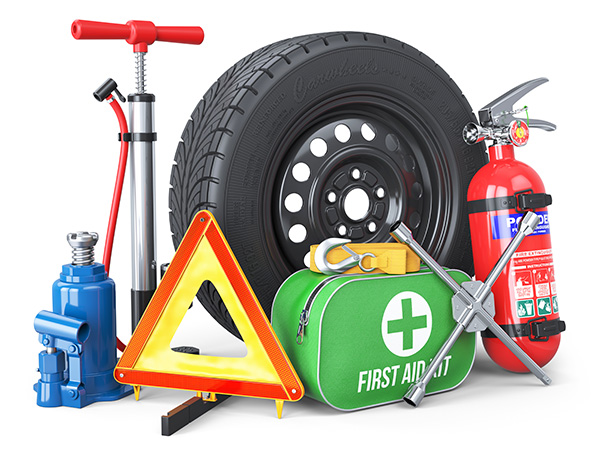
Most drivers remember obvious items such as a phone charger, sunglasses, and registration documents. The equipment that becomes valuable during a breakdown, flat tire, dead battery, or sudden weather change is easier to overlook because it may sit unused for months.
A well-prepared vehicle does not need to carry an entire workshop. A small group of practical supplies can make an unexpected stop safer and help you communicate clearly with roadside assistance. Check these items periodically so batteries, medications, food, and other time-sensitive supplies remain usable.
1. A Reliable Flashlight With Spare Batteries
A phone flashlight is helpful, but it is not an ideal substitute for a dedicated light. Using the phone for illumination drains the same battery needed for navigation, emergency calls, and roadside assistance updates.
Choose a compact flashlight that can stand upright or attach magnetically to the vehicle. A headlamp is another strong option because it keeps both hands free while checking a tire, looking under the hood, or locating equipment in the trunk.
Store spare batteries separately so they do not corrode inside the flashlight. Test the light several times each year, particularly before a road trip. Avoid placing loose batteries near metal tools or coins, which can create a short circuit.
2. A Tire Pressure Gauge
Low tire pressure affects handling, braking, tire temperature, and tread wear. Although many vehicles have a tire pressure monitoring system, the dashboard warning does not replace a gauge. Some systems warn only after pressure has already fallen well below the recommended level.
A basic digital or mechanical gauge allows you to check each tire when it is cold. Use the pressure listed on the driver’s door placard rather than the maximum value molded into the tire sidewall.
Keep the gauge in the glove compartment or center console so it is easy to reach. Check the spare tire as well. Temporary spares often require far more pressure than the regular tires and can become nearly unusable after sitting unchecked for years.
3. Jumper Cables Or A Portable Jump Starter
A weak battery can leave a vehicle unable to start even when the lights and dashboard still operate. Quality jumper cables provide a connection to another vehicle, but they require a second car and enough space to position both vehicles safely.
A portable jump starter is more convenient because it works independently. Select one rated for the engine size and follow the manufacturer’s connection instructions. Many units also include USB charging ports and emergency lights.
Portable jump starters must be recharged periodically. Leaving one in the trunk for two years without checking it creates a false sense of preparation. Extreme heat and cold also affect battery capacity, so inspect the case for swelling or damage and replace the unit when it no longer holds a charge.
4. Basic First-Aid Supplies
A small first-aid kit can help with cuts, scrapes, minor burns, and other manageable injuries while professional care is being arranged. It should be stored where passengers can reach it without unloading luggage.
Useful contents include:
- Adhesive bandages in several sizes
- Sterile gauze pads
- Medical tape
- Antiseptic wipes
- Disposable gloves
- Scissors
- Tweezers
- Instant cold pack
- Emergency contact card
Check expiration dates and replace opened or damaged packages. Medications should not remain in a vehicle unless their storage requirements allow exposure to temperature extremes. Heat inside a parked car can degrade many products.
First-aid supplies are intended for basic care, not serious injuries. Call emergency services when bleeding is severe, breathing is difficult, someone loses consciousness, or the situation exceeds the limits of the kit.
5. Reflective Warning Equipment
A disabled vehicle can be difficult for approaching drivers to see, especially at night, during rain, or around a curve. Reflective triangles, LED beacons, or road flares increase visibility and give other drivers more time to move away.
Place warning equipment only when it is safe to exit the vehicle. On a high-speed road, remaining inside with the seat belt fastened may be safer than standing near traffic. Move the vehicle as far from active lanes as possible and turn on the hazard lights.
A reflective vest is also valuable because it makes the driver easier to see while checking damage or speaking with assistance personnel. Store these items together so they can be reached quickly without searching through the cargo area.
6. Work Gloves And A Durable Towel
Roadside problems are often dirty, hot, or sharp. A pair of work gloves protects your hands while handling a damaged tire, moving debris, checking under the hood, or using a jack. Gloves should fit correctly so they do not interfere with grip.
A durable towel or shop cloth has several uses. It can help you handle a hot hood latch, wipe fluid from a dipstick, clean a window, protect clothing, or kneel beside the vehicle. A small package of hand-cleaning wipes is useful after handling grease or road dirt.
Never open a hot cooling system simply because gloves are available. A pressurized cooling system can release boiling coolant and steam. Wait for professional assistance when the engine is overheating, or coolant is escaping.
7. Written Roadside And Vehicle Information
Phones can lose power, break, or lose service. Keep a written card containing your roadside assistance number, insurance contact information, emergency contacts, and any important medical information.
Include the vehicle’s year, make, model, license plate number, and tire size. These details help when requesting a tow, replacement tire, or compatible part. Keep the wheel-lock key in a known location and note where it is stored.
Regular maintenance records do not need to remain in the car, but a brief service summary can be useful during travel. Before a long trip, an inspection of the battery, tires, fluids, brakes, belts, hoses, and spare-tire equipment provides stronger protection than emergency supplies alone.
Get Road Trip And Vehicle Safety Service In Cottonwood, AZ, With Eaton Automotive
Eaton Automotive in Cottonwood, AZ, can check your tires, battery, brakes, fluids, belts, hoses, lights, and roadside equipment before daily travel or a long trip.
Contact us to schedule service and make sure your vehicle is prepared for unexpected stops.