Posted on 10/30/2026
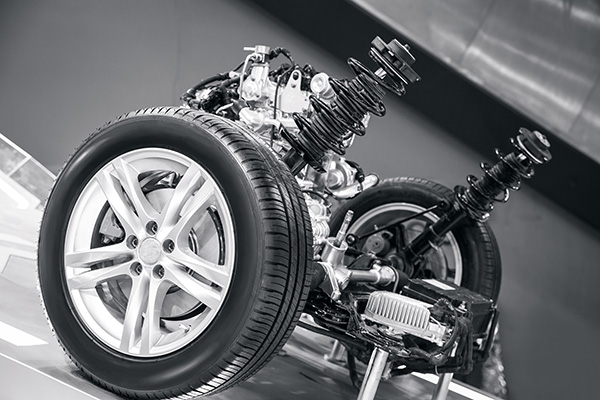
Replacing a suspension part on a newer vehicle can involve more than removing the old component and bolting in another one. Electronic dampers, ride-height sensors, specialized bushings, and vehicle-specific setup can all add steps to the work. Not every newer car has all those features. The challenge is identifying what is fitted and following the correct procedure. That helps explain why two vehicles with a similar clunk or worn strut can require very different repair estimates. Newer Suspension Designs Can Have More Connections Some vehicles use several links to control each wheel's movement rather than one simple arrangement. Each link, joint, and bushing has a job in locating the wheel as the suspension travels. A small amount of wear in one connection can change how the wheel responds under braking or over bumps. Finding that wear may require checking the suspension in the correct loaded position. A quick look with the wheels hanging does not reveal every ... read more