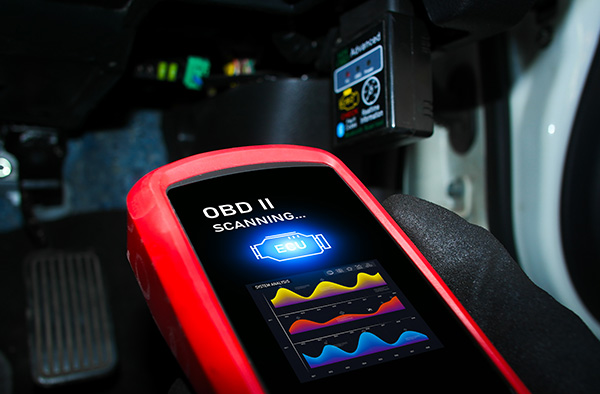
A check engine light scan can feel like the answer should be right there on the screen. The tool reads a trouble code, the code mentions a sensor or system, and it is tempting to think the repair is already clear. That is where many drivers get led astray.
A trouble code is useful, but it is not the same thing as a confirmed repair. It tells the technician where the vehicle saw a problem. The next step is figuring out why that problem occurred, whether the part named in the code is actually defective, and what else needs to be tested before money is spent on repairs.
The Code Points To A System
A trouble code gives direction. It might point toward an oxygen sensor, EVAP system, misfire, catalytic converter, fuel trim, airflow sensor, or coolant temperature reading. That information matters because it narrows the search and helps the technician decide where to begin.
The problem is that the code does not always name the failed part. An oxygen sensor code can be caused by a bad sensor, but it can also be due to an exhaust leak, an air leak, a fuel mixture issue, a wiring problem, or an engine performance concern. The code starts the process. It should not end.
Review The Freeze-Frame Data
After reviewing the code, the next smart step is to review the freeze-frame data. That is the snapshot the vehicle saved when the fault was detected. It can show engine temperature, speed, load, throttle position, fuel trims, and other details from the moment the code is set.
That information helps answer an important question: what was the vehicle doing when the problem happened? A code that appears during startup can point in a different direction than one that appears while cruising on the highway. A fault that sets when the engine is cold is not always caused by the same issue as one that sets after the engine is fully warm.
Check Whether The Problem Is Active
Some trouble codes indicate a problem occurring right now. Others are stored from an event that happened once and has not returned. That difference changes the testing process.
If the issue is active, a technician can watch live data, test circuits, check pressures, or inspect the related system while the fault is present. If the issue is intermittent, the shop may need to look at history codes, pending codes, wiring movement, moisture patterns, or conditions that make the fault return. Intermittent faults can be more challenging because the vehicle may appear normal during the first inspection.
Test The Related Parts
Once the code and data are reviewed, the next step is testing. That might include checking voltage, ground, sensor readings, fuel pressure, vacuum leaks, smoke testing the EVAP system, inspecting ignition parts, or confirming airflow readings. The exact test depends on the code and symptom.
For example, a misfire code should not lead straight to spark plug replacement every time. Spark plugs can cause misfires, but so can coils, injectors, compression issues, wiring faults, air leaks, or fuel delivery problems. Testing keeps the repair focused and helps avoid replacing good parts.
Look For The Cause, Not Just The Symptom
A trouble code usually tells you what the computer noticed, not what started the chain of events. A catalytic converter code is a good example. The converter may be failing, but the real question is why. Misfires, oil burning, coolant burning, or a rich fuel mixture can damage a converter over time.
Replacing the converter without investigating the cause can lead to the same problem recurring. The same idea applies to sensor codes, fuel trim codes, and emissions faults. A good repair follows the problem back to its source instead of stopping at the first part mentioned.
Do Not Clear The Code Too Soon
Clearing a code before recording the information can make the job harder. Once the code is erased, freeze-frame data and monitor status may be lost. The dashboard looks better, but the useful clues are gone.
There are times when clearing codes is part of the repair process, especially after testing or completing a repair. Still, clearing the light should not be the first move. The stored information is there for a reason, and it can save time when used correctly.
Confirm The Repair Afterward
After the repair is made, the vehicle should be checked again. That can include clearing the code, running the system under the right drive conditions, watching live data, and ensuring the readiness monitors complete when needed. This step is especially important for emissions-related repairs.
A completed repair should do more than turn the light off for a day. It should correct the condition that caused the code. Regular maintenance also helps here because a vehicle with worn plugs, dirty filters, weak batteries, old fluids, or neglected leaks is more likely to create repeat warning lights.
Get Check Engine Light Diagnostics In Cottonwood, AZ, With Eaton Automotive
If your check engine light scan found a trouble code, Eaton Automotive in Cottonwood, AZ, can take the next step with proper testing, inspection, and repair guidance. Do not replace parts based only on a code.
Contact us to schedule an appointment.